
Dental Anxiety vs. Dental Phobia: Understanding the Differences & Finding Your Solutions
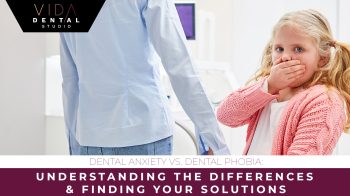 Many people feel nervous before a dental appointment. Some feel mild unease. Others feel intense fear that keeps them away for years.
Understanding the difference between dental anxiety and dental phobia is an important first step toward finding the right solution. At VIDA Dental Studio in Santa Fe, we recognize that fear exists on a spectrum, and care must be tailored accordingly.
The Widespread Challenge of Dental Fear: Understanding Its Spectrum
Dental fear is one of the most common healthcare-related anxieties. Studies consistently show that a significant portion of adults avoid or delay care because of fear.
Why Dental Fear Is So Common
Dental treatment involves several vulnerability triggers:
- Lying back in a chair
- Limited visibility of what’s happening
- Sharp instruments or unfamiliar sounds
- Fear of pain
- Loss of control
- Embarrassment about oral health
For some, these feelings are manageable. For others, they escalate into something more intense.
What is Dental Anxiety?
Dental anxiety refers to feelings of worry, nervousness, or unease related to dental visits. It is typically anticipatory, meaning it builds before the appointment.
Common Symptoms and Triggers of Dental Anxiety
Symptoms may include:
- Increased heart rate
- Sweaty palms
- Trouble sleeping the night before
- Feeling tense in the waiting room
- Avoiding scheduling appointments
Common triggers include:
- Fear of injections
- The sound of drills
- Previous uncomfortable experiences
- Concern about cost or treatment plans
Many people with dental anxiety can still attend appointments; they just experience stress leading up to and during the visit.
When Does Anxiety Become a Barrier to Care?
Anxiety becomes a concern when it leads to:
- Repeated cancellations
- Skipping cleanings for years
- Declining necessary treatment
- Heightened distress during procedures
If fear consistently prevents you from receiving care, it may be moving beyond mild anxiety.
Understanding Dental Phobia (Dentophobia)
Dental phobia is more severe than anxiety. It is classified as a specific phobia, an intense, irrational fear that can trigger panic-level responses.
Defining Extreme Fear: Symptoms and Impact on Life
Symptoms of dental phobia may include:
- Panic attacks at the thought of an appointment
- Shortness of breath
- Nausea or dizziness
- Crying or shaking
- Avoiding dentistry for many years
For some individuals, even driving past a dental office can trigger distress.
The impact can be significant. Avoidance may lead to advanced decay, gum disease, chronic infection, or the need for complex restorative care later.
Specific Phobias Related to Dentistry
Some patients have fear tied to specific elements, such as:
- Needle phobia
- Fear of choking or gagging
- Sensory overload from sounds
- Fear of loss of control
- Trauma from prior medical experiences
Identifying the root cause is essential for choosing the right support strategy.
Key Differences: Anxiety vs. Phobia
Understanding the difference between dental anxiety and dental phobia helps determine the appropriate level of intervention.
Severity and Perceived Control
With anxiety, patients often feel nervous but still retain a sense of control. They may dislike appointments, but can push through. With a phobia, dental appointments tend to feel overwhelming and uncontrollable. The body may react automatically, triggering panic or shutdown.
Impact on Daily Life and Overall Dental Health
Dental anxiety may delay occasional visits. Dental phobia often results in long-term avoidance, leading to:
- Emergency-only care
- Advanced gum disease
- Extensive restorative needs
- Increased treatment complexity
Why Differentiating Matters for Effective Care
Treatment approaches differ depending on severity. Mild anxiety may respond well to environmental adjustments and communication. Phobia may require sedation support or collaboration with mental health professionals. The goal is not to label; it is to tailor care appropriately.
Solutions and Strategies to Overcome Dental Fear at VIDA Dental Studio
At VIDA Dental Studio in Santa Fe, fear is taken seriously. The approach is structured, compassionate, and personalized.
The Power of Open Communication and Trust
Fear often decreases when patients feel heard. We encourage you to:
- Share past experiences
- Identify specific triggers
- Ask questions openly
- Discuss financial concerns
- Review written treatment options
Transparency and collaboration restore a sense of control.
Practical Coping Mechanisms for Managing Anxiety
If you experience mild to moderate anxiety, simple tools can make a meaningful difference.
Relaxation Techniques and Distraction
- Deep breathing exercises
- Noise-cancelling headphones
- Calming music
- Warm blankets
- Ceiling-mounted entertainment
- Pre-arranged stop signals
These tools reduce sensory overload and help your regulate your nervous system.
Exploring Sedation Dentistry Options for Deeper Comfort
For moderate to severe anxiety or phobia, sedation may be appropriate.
- Nitrous Oxide (Laughing Gas): Nitrous oxide provides light relaxation while keeping you fully responsive. It works quickly and wears off rapidly after treatment.
- Oral Conscious Sedation: Oral sedation creates deeper relaxation and is often helpful to patients with stronger anxiety or longer procedures. A driver is required afterward.
Sedation is always tailored to each patient’s medical history and comfort needs.
Patient-Centered Care and Gentle Techniques at VIDA Dental Studio
Beyond sedation, care is delivered with:
- Unhurried appointments
- Clear explanations before every step
- Conservative treatment planning
- Trauma-informed communication
- Respectful, non-judgmental interaction
The experience is structured to reduce fear, not intensify it.
When Professional Therapy or CBT Might Help
For true dental phobia, Cognitive Behavioral Therapy (CBT) or other professional counseling can be highly effective. Therapy helps patients reframe fear triggers and develop coping skills. When combined with gentle dental care and sedation options, it can dramatically improve outcomes.
There is no shame in seeking additional support. Dentistry and mental health care can work together.
Your Path to Comfortable Dental Care in Santa Fe, NM
Whether you experience mild anxiety or severe phobia, solutions exist.
-
A Welcoming and Supportive Environment at VIDA Dental Studio
VIDA Dental Studio provides a calm, comfort-focused setting that supports emotional safety. Every patient receives a personalized plan that aligns with their level of fear and desired pace of care.
No pressure. No judgment. Just thoughtful dentistry.
-
Taking the First Step Toward a Healthier, Happier Smile
Often, the hardest part is making the first phone call. A consultation allows you to discuss concerns before committing to treatment. You are always in control.
Don’t Let Fear Hold You Back: A Summary
Understanding dental anxiety vs dental phobia empowers you to choose the right path forward.
Anxiety involves nervousness that can often be managed with communication and environmental support. Phobia involves intense fear that may require sedation or professional counseling support.
Both are valid. Both are common. And both can be addressed with structured, compassionate care.
If dental fear has kept you away, schedule a consultation with VIDA Dental Studio in Santa Fe, NM. We are here to help you move forward safely and confidently, one step at a time.
Disclaimer: The content of this blog is not intended to be a substitute for professional medical advice, diagnosis, or treatment. Always seek the advice of qualified health providers with questions you may have regarding medical conditions. Individual results may vary.