
What Trauma-Informed Dentistry Really Means (And Why It Matters in Santa Fe)
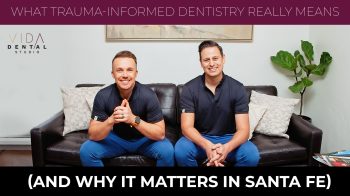 For many people, visiting the dentist is uncomfortable. For others, it can feel overwhelming or even distressing. Past medical trauma, difficult childhood experiences, sensory sensitivities, or a single painful dental visit can all shape how someone feels walking into a dental office.
At VIDA Dental Studio in Santa Fe, trauma-informed dentistry is not a trend or a marketing phrase. It is a deliberate, patient-centered approach designed to create emotional safety, restore trust, and support long-term oral health.
Understanding Trauma-Informed Dentistry
What Exactly Is Trauma-Informed Dentistry?
Trauma-informed dentistry acknowledges that many patients carry past experiences that affect how they respond to dental care. These experiences may include:
- Painful or rushed dental procedures
- Feeling judged or shamed about oral health
- Medical or surgical trauma
- Sensory overload from sounds, smells, or bright lights
- A loss of control during treatment
Instead of assuming every patient feels neutral about dentistry, trauma-informed care starts with awareness. The dental team recognizes that a visit may feel vulnerable and adjusts the experience accordingly.
The Core Principles of Trauma-Informed Care
Trauma-informed dentistry is guided by several key principles:
- Safety: Patients should feel physically and emotionally safe in the dental environment.
- Trust and Transparency: Clear explanations, written treatment options, and open conversations about costs and timelines help build confidence.
- Choice and Control: Patients are offered multiple treatment pathways, including ideal, phased, or urgent-only options, and can pause treatment at any time.
- Collaboration: Care is delivered with the patient, not to the patient.
- Respect and Non-Judgment: There is no shaming, pressure, or rushed decision-making.
How Trauma Can Impact Dental Experiences
When trauma is not acknowledged, it often leads to:
- Avoiding the dentist for years
- Severe dental anxiety or panic
- Difficulty tolerating injections or longer procedures
- Feeling overwhelmed by treatment plans
- Declining necessary care due to fear
Unfortunately, delaying care can allow small issues to become complex problems. Trauma-informed dentistry at VIDA Dental Studio helps interrupt that cycle.
Why Trauma-Informed Dentistry Matters in Santa Fe
Santa Fe is home to a diverse community of artists, professionals, families, retirees, and individuals managing chronic health conditions. Many patients value thoughtful communication, autonomy, and a holistic approach to health.
Trauma-informed dentistry aligns naturally with those values.
-
Creating a Safe and Trusting Environment
A calming environment is not about indulgence. It is about helping the nervous system settle.
Features such as blankets, noise-reducing headphones, unhurried appointments, and a non-clinical atmosphere help lower stress levels. When patients feel calmer, they tolerate procedures better and absorb information more clearly.
-
Addressing Dental Anxiety and Phobias
Trauma-informed dentistry goes beyond simply being “gentle.” It includes:
- Slower, buffered numbing techniques
- Frequent check-ins during procedures
- Clear stop signals
- Breaks whenever needed
- Sedation options such as nitrous, oral sedation, or IV sedation when appropriate
- Personalized comfort plans based on individual needs
This approach allows patients who may have avoided dentistry for years to finally receive care in a way that feels manageable.
-
The Impact on Patient Compliance and Outcomes
When patients feel safe, heard, and respected:
- They return for preventive visits
- They complete recommended treatment plans
- They ask questions without fear
- They feel ownership over their decisions
This leads to better long-term oral health and, in many cases, improved overall health as well.
Why VIDA Dental Studio Embraces This Approach
VIDA Dental Studio believes advanced dentistry must be paired with emotional awareness. Precision technology, thorough exams, and detailed treatment planning are only effective if patients feel comfortable enough to move forward.
Trauma-informed care is built into the practice philosophy. Treatment plans are presented with clarity, conservative options are discussed openly, and comfort measures are used intentionally to reduce stress rather than create pressure.
What to Expect at VIDA Dental Studio
Our Commitment to a Gentle and Respectful Experience
From your first phone call through follow-up care, the team prioritizes:
- Unhurried new patient exams
- Visual education using digital imaging and intraoral cameras
- Clear written treatment options with pros and cons
- Conservative recommendations when appropriate
At VIDA Dental Studio, we believe if you are never rushed or pressured into decisions about your health, you are more likely to make informed choices that align with your needs and well-being.
Communication and Patient Control During Visits
Our tea often encourages you to:
- Share anxiety triggers ahead of time
- Ask for pauses during treatment
- Review phased or minimal treatment options
- Discuss comfort and sedation preferences openly
Clear communication and patient control reduce fear and build trust.
Building Long-Term Patient Relationships
Trauma-informed dentistry is not a one-time accommodation. It is a long-term philosophy.
By building trust early, patients who once avoided care often transition into consistent preventive visits, healthier gums, and more stable restorative outcomes. The relationship becomes proactive instead of reactive.
Seeking a Compassionate Dental Practice in Santa Fe?
If you have delayed dental care because of anxiety, embarrassment, or past experiences, you are not alone. Trauma-informed dentistry exists to meet you where you are.
VIDA Dental Studio in Santa Fe, NM, provides comprehensive, comfort-centered dental care designed for real people with real histories. If you are looking for a dentist who values precision, transparency, and emotional safety, consider scheduling a consultation to experience the difference firsthand.
Disclaimer: The content of this blog is not intended to be a substitute for professional medical advice, diagnosis, or treatment. Always seek the advice of qualified health providers with questions you may have regarding medical conditions. Individual results may vary.